Key takeaways
- Fix the roof, drainage, windows and mechanicals before anything cosmetic: buyers and inspectors discount neglect far more than they reward finishes.
- Paint, curb appeal and a kitchen or bathroom refresh usually give more value per dollar than a full gut renovation.
- Budget a 10% to 20% contingency on top of the quote, and get at least three written quotes.
- The Canada Greener Homes Grant and Loan are closed to new applicants; check provincial and utility programs before you start, and before you sign.
- Seniors and people eligible for the disability tax credit can claim up to $20,000 a year in accessibility renovations under the Home Accessibility Tax Credit.
- Pull permits for structural, plumbing and most basement work, and file an ESA notification for electrical work in Ontario.
Most renovations don't return every dollar at resale. Some protect your home's value, some add to it, and some are simply for your own enjoyment. All three can be good decisions, as long as you know which one you're making and you plan, permit and pay for the work properly.
Which improvements add the most value?
Think in three tiers. The first protects value, the second adds it, and the third is for you.
| Tier | Examples | Typical payback at resale | When to do it |
|---|---|---|---|
| Protect value | Roof, drainage, windows, furnace, electrical panel, water heater | High: neglect is heavily discounted by buyers | First, always |
| Add value | Paint, curb appeal, kitchen or bathroom refresh, flooring, a legal finished basement | Moderate to good, if done to the neighbourhood's standard | When the basics are sound |
| For you | Pools, very high-end finishes, highly personal design | Often low | When you'll enjoy it for years |
The paybacks above are directions, not promises. Value depends on the house, the street and what comparable homes offer. A kitchen that matches the neighbourhood helps; one that's far above it rarely returns the difference.
Protect value first
Buyers and their inspectors look for these, and neglect costs more than fixing:
- Roof, windows and doors in good condition.
- A dry basement: grading that slopes away, downspouts that discharge well away from the foundation, working sump pump.
- Updated mechanicals: furnace or heat pump, water heater, electrical panel.
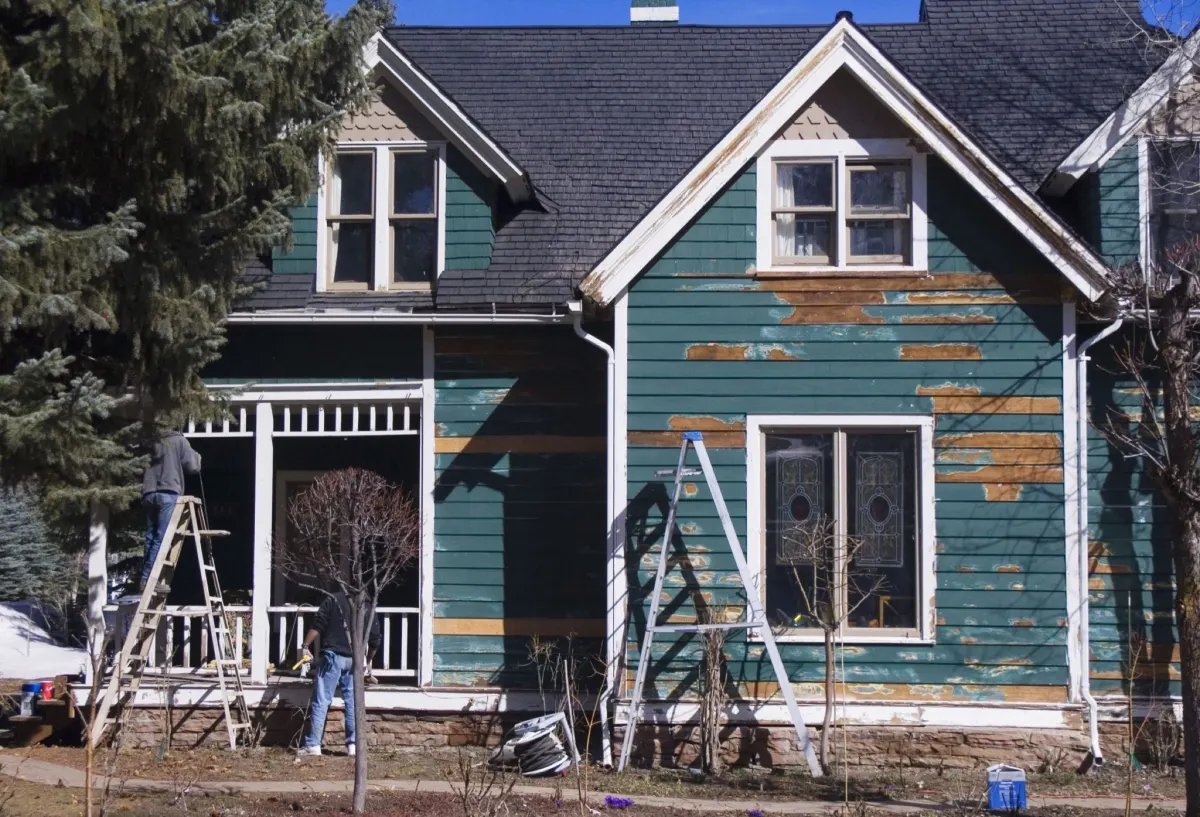
- No obvious maintenance gaps: peeling paint, rotted trim, stains on ceilings.
None of this is exciting, but it keeps your home in the "move-in ready" category. Our seasonal home maintenance checklist covers the routine work that keeps these items in shape.
Improvements that usually pay back well
- Fresh paint in light, neutral colours: cheap, fast and visible in every listing photo.
- Curb appeal: a painted or new front door, house numbers, exterior lighting, trimmed landscaping and a tidy driveway.
- Kitchen refresh: new hardware, lighting, counters or cabinet fronts often give more value per dollar than a full gut. See kitchen renovation ideas for what to change first.
- Bathroom updates: fixtures, vanity, lighting, fresh caulking and grout.
- Flooring: replacing worn carpet with durable hard flooring.
- A finished, functional basement, done properly with permits and moisture control.
For finishes and colours that won't date quickly, see interior design ideas that last.
Energy upgrades: what's still funded?
Insulation, air sealing, heat pumps and better windows lower your bills and appeal to buyers. The programs that help pay for them have changed a lot.
- Canada Greener Homes Grant: closed to new applicants.
- Canada Greener Homes Loan: the interest-free federal loan closed to new applications on October 1, 2025, after its funding was fully committed.
- Canada Greener Homes Affordability Program: a federal program that installs retrofits such as insulation and heat pumps at no cost for low- and median-income households. As of June 2026 it runs through provincial partners in Manitoba, Quebec, British Columbia, Nova Scotia and Prince Edward Island.
- Ontario: the Home Renovation Savings Program, delivered by Enbridge Gas and Save on Energy, has offered rebates for insulation, heat pumps, windows and other upgrades. Check its official site for whether it's taking applications and the current amounts before you sign a contract, since rebates usually require pre-approval or an assessment first.

For the smaller habits and upgrades that cut bills in your first year, see saving money as a new homeowner. For connected thermostats and leak sensors, see the smart home guide.
Renovation tax credits
Two federal credits can offset the cost of specific renovations:
- Home Accessibility Tax Credit: if you're 65 or older, or eligible for the disability tax credit (or you're claiming for someone who is), you can claim up to $20,000 a year of eligible expenses for work that makes the home safer or more accessible, such as grab bars, walk-in showers or wider doorways.
- Multigenerational Home Renovation Tax Credit: a refundable credit for creating a self-contained secondary unit so a senior or an adult eligible for the disability tax credit can live with a relative. You can claim up to $50,000 of expenses per qualifying renovation. For the 2025 tax year the credit was 14.5%, a maximum of $7,250.
Expenses claimed under the accessibility credit or the medical expense credit can't also be claimed under the multigenerational credit. Keep every invoice.
Projects to do for yourself
Pools, highly personal design choices and very high-end finishes for the neighbourhood often don't pay back at resale. A pool, for example, adds upkeep and insurance cost that some buyers see as a drawback. That's fine if you'll enjoy it for years. Just don't count on getting the money back.
Do you need a permit?
Rules are set by your municipality, but the pattern is similar across Canada. In Ottawa, for example:
- Usually no building permit: painting, flooring, replacing kitchen or bathroom cabinets with the plumbing fixtures staying in the same place, and decks less than 600 mm (24 in.) above grade (except at a main entrance).
- Building permit needed: structural changes, new or moved plumbing, finishing a basement when it involves building or materially altering walls and systems, additions, and decks attached to the house with a walking surface more than 600 mm above grade.
- Electrical work: in Ontario this needs a notification of work filed with the Electrical Safety Authority (ESA), not a municipal building permit. Homeowners may do electrical work in a home they own, but must still file the notification. You may need both an ESA notification and a building permit on the same project.
Unpermitted work can cause problems with insurance claims, with a buyer's inspection and with your lender. If you're unsure, call your municipality's building department before you start.
Plan it properly
- Get at least three written quotes, check references and confirm the contractor's insurance.
- Get a written contract with the scope, materials, schedule, payment stages and who pulls the permits.
- Pay in stages tied to completed work, not a large deposit up front.
- Add a contingency of 10% to 20% for what you find once walls are open.
- Think about your timeline. If you're selling within a year, stick to repairs, paint and curb appeal.
If you'd rather borrow against the finished value, compare a renovation mortgage, a home equity line of credit and refinancing. The HELOC guide explains the trade-offs, and our renovation financing page walks through each option. If you're buying a home that needs work, see buying a fixer-upper.
This article is general information, not financial, tax or legal advice. Program and permit rules change; confirm with the program, the CRA and your municipality.
Frequently asked questions
Which home improvement adds the most value?
There's no single answer, because value depends on the house and the street. In general, work that removes a buyer's worry (a newer roof, a dry basement, updated electrical) protects the most value, and low-cost cosmetic work such as paint, lighting and curb appeal gives the most visible lift per dollar. Large custom projects rarely return their full cost at resale.
Do renovations increase property tax?
They can. Municipal assessors may update your assessed value when you add space, such as an addition or a finished basement, or when a building permit shows significant work. In Ontario, assessments are handled by the Municipal Property Assessment Corporation (MPAC); ask it, or your local assessor, if you're unsure how a project will be treated.
Is a finished basement worth it?
It can be, if it's dry, legal and done with permits. A finished basement adds usable space, and a legal secondary unit can add rental income, but moisture problems or unpermitted work can make it a liability at sale. Fix drainage first and confirm the permit requirements with your municipality.
Should I renovate before selling?
Usually only small things. Repairs, paint, lighting and a deep clean help most homes sell; a major renovation in the months before listing seldom pays back and adds risk. See the home staging guide and ask your agent which fixes buyers in your area expect.
How do I pay for a renovation?
Common options are savings, a home equity line of credit, refinancing your mortgage, or a renovation mortgage that lends against the home's value after the work. Each has different costs and risks; compare them on our renovation financing page and the HELOC guide.
Are there still government grants for home energy upgrades?
The federal Canada Greener Homes Grant and Loan no longer accept new applications. A federal no-cost retrofit program for low- and median-income households runs through provincial partners in some provinces, and provinces and utilities run their own rebates. Check the program's official page for current status before you buy equipment.
Sources
- Natural Resources Canada — Closed - Canada Greener Homes Loan
- Natural Resources Canada — Closed - Canada Greener Homes Grant
- Natural Resources Canada — Canada drives lower bills and cleaner energy in Quebec, British Columbia, Nova Scotia and Prince Edward Island (June 2026)
- Home Renovation Savings Program (Enbridge Gas and Save on Energy, Ontario)
- CRA — Line 31285 Home accessibility expenses
- CRA — Multigenerational home renovation tax credit
- City of Ottawa — Do I need a building permit?
- City of Ottawa — Decks
- Electrical Safety Authority — Do-it-yourself electrical work