Key takeaways
- Spend on the things that are expensive to change (flooring, cabinetry, tile, counters) and keep them classic.
- Put trends in paint, textiles, art, lighting and hardware, which you can change for a few hundred dollars.
- Every room needs three layers of light: overhead, task and accent; dimmers and warm bulbs change a room more than new furniture.
- Test paint colours on several walls and live with them for a week before you buy gallons.
- Anchor dressers, bookcases and TVs to the wall, and replace window coverings that have long accessible cords if young children live or visit.
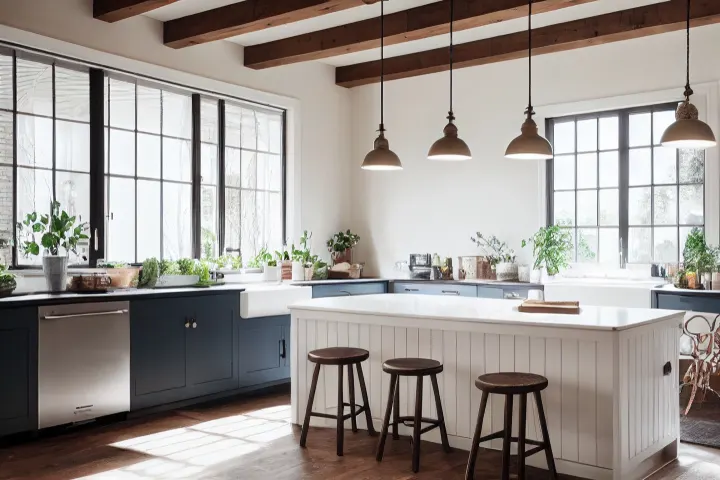
Every year brings a new list of "must-have" trends. A better question than "what's in?" is "what will I still like in five years, and what would a buyer like if I sold?" The answer is usually the same: warm, calm rooms with natural materials, good light and storage that works, with trends kept to the things that are cheap to change.
Ideas with staying power
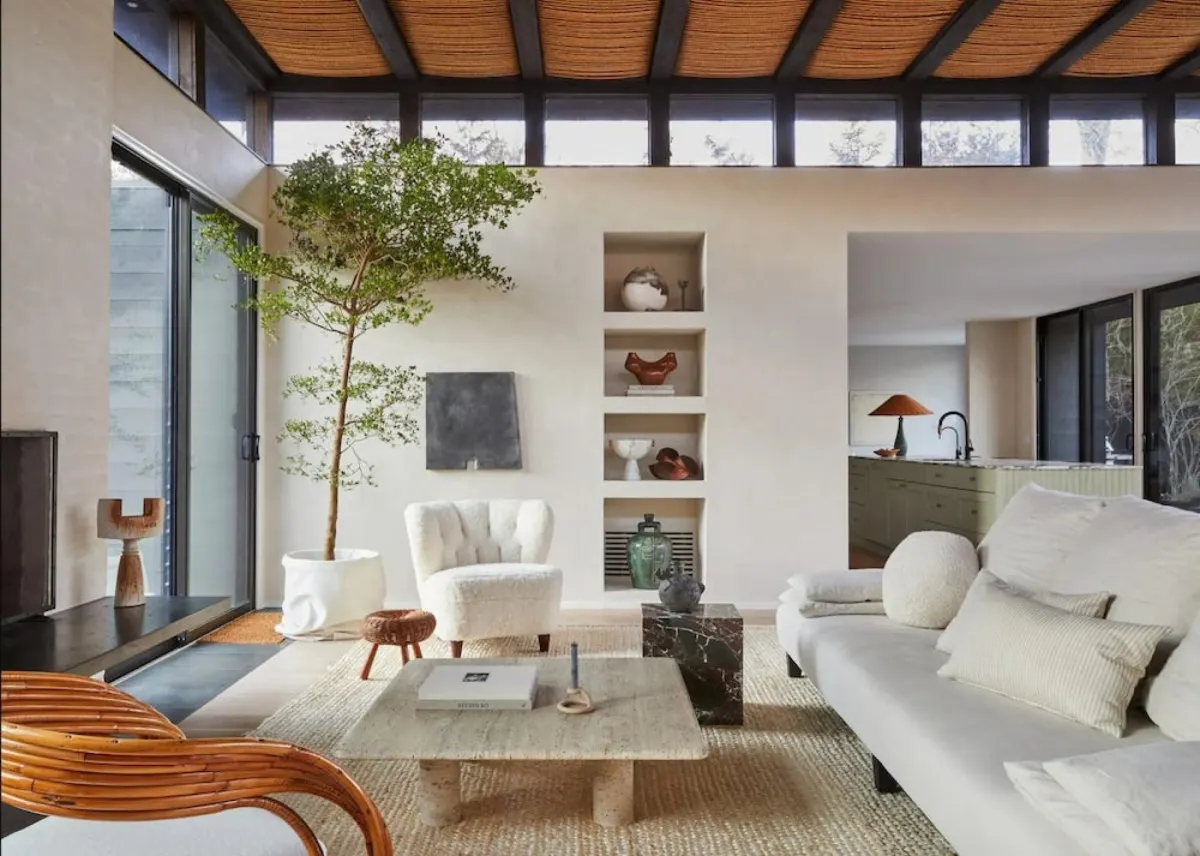
Warmth over sterile white. Warm neutrals, soft whites and natural wood tones feel calmer and age better than stark, cool palettes.
Natural materials. Wood, stone, linen, wool and clay bring texture that photographs well and wears well.
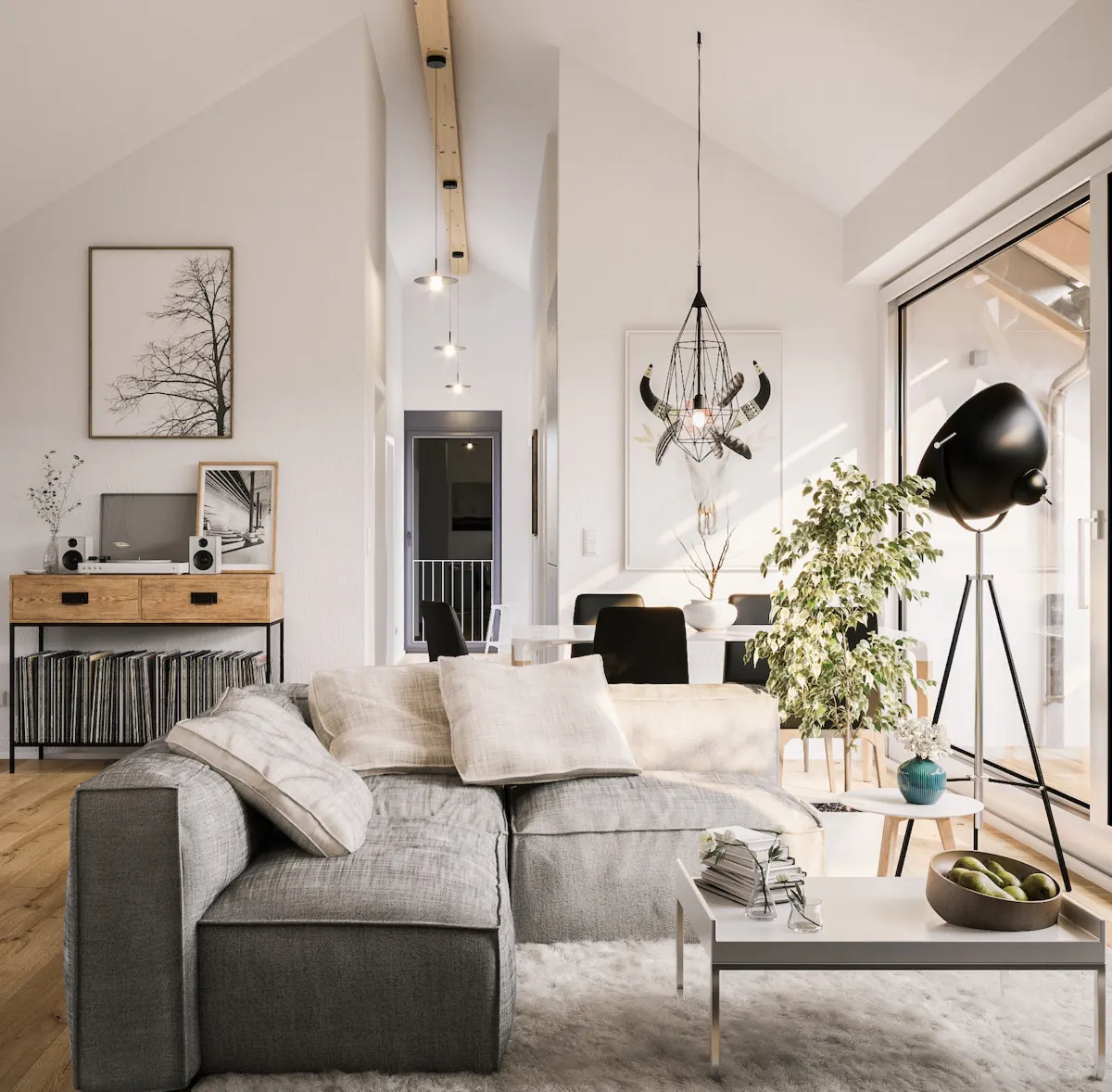
Layered lighting. Every room needs overhead, task and accent lighting. Dimmers and warm-coloured bulbs change a room more than new furniture does.
Flexible spaces. A room that works as an office, guest room and den earns its square footage. Built-ins and good storage make it possible.
Indoor-outdoor connection. Plants, views and a usable deck or patio extend your living space for much of the year.
Durable, low-maintenance finishes. Performance fabrics, quartz counters and luxury vinyl or hardwood floors look good and handle real life.
Where should trends go?
Sort every design decision by how much it costs to undo.
| Cost to change | Examples | Approach |
|---|---|---|
| Low (under a few hundred dollars) | Cushions, throws, art, plants, a lamp, cabinet hardware | Follow trends freely |
| Medium | Paint, light fixtures, rugs, curtains, a sofa | Choose what you like, in versatile shapes and colours |
| High | Flooring, cabinetry, tile, counters, built-ins, bathroom fixtures | Keep classic and neutral |
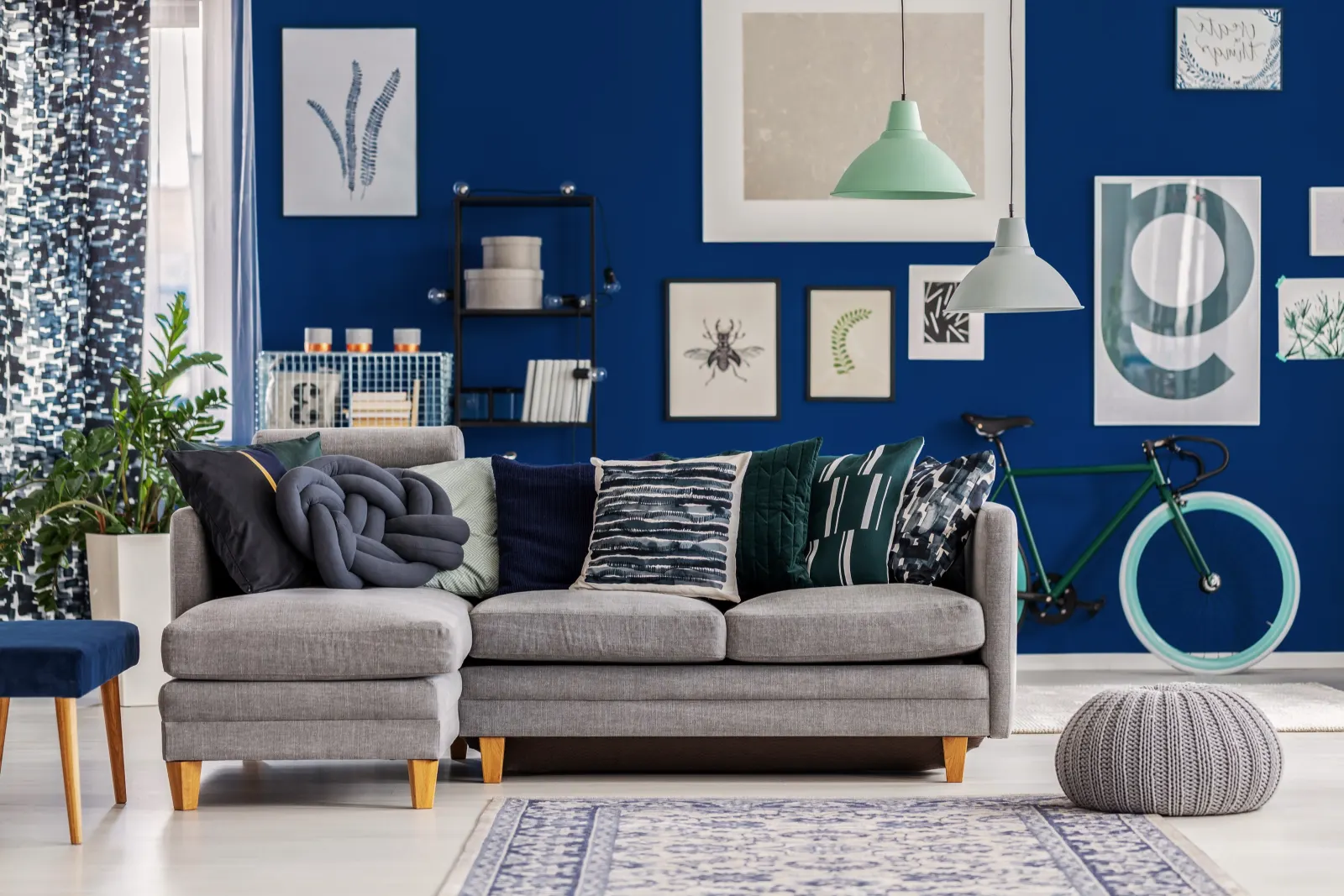
- Pick one statement per room, not five: a bold wallpaper, a dramatic light fixture or a coloured sofa.
- Repeat colours two or three times in a room so the scheme looks deliberate.
- Mix old and new. A vintage piece or two keeps a room from looking like a showroom.
Getting light right
Lighting is the cheapest way to change how a room feels.
- Overhead (ambient): a ceiling fixture or recessed lights for general light. Put them on dimmers.
- Task: reading lamps, under-cabinet strips, vanity lights where you need to see detail.
- Accent: picture lights, lamps on shelves, a floor lamp in a dark corner.
Choose bulbs by colour temperature: warmer (lower kelvin) bulbs read as cozy in living rooms and bedrooms; slightly cooler ones suit kitchens and work areas. Keep the colour temperature consistent within a room.
Paint and colour
- Test before you commit. Paint large samples on several walls and look at them morning, afternoon and night for a week.
- Use one main neutral through halls and open areas so the house flows, and save stronger colours for rooms with doors.
- Check the undertone (warm, cool or green) against your floors and counters, which won't change.
- Ventilate while you paint and for a while afterwards. Health Canada advises making sure there's enough ventilation during projects like painting and varnishing.
Safety basics in every room
Good design should also be safe for the people living in it.
- Anchor tall furniture. Health Canada recommends securing dressers, bookcases and similar furniture to the wall with angle braces, anchors or safety straps, and placing TVs far back on low, stable furniture designed for their weight, attached to the stand where possible.
- Choose stable pieces. Storage furniture with wide bases that sit directly on the floor is less likely to tip than pieces on legs or wheels.
- Go cordless on window coverings. Canada's Corded Window Coverings Regulations, in force since May 1, 2021, restrict reachable cords and loops on new products sold in Canada because of the strangulation risk to young children. Older blinds in your home may not meet them. Health Canada says the safest window coverings are ones without long accessible cords, and advises keeping cribs, beds and climbable furniture away from windows.
Planning a room refresh on a budget
- Declutter and clean first; it's free and changes the most.
- Measure the room and draw a rough plan before buying furniture, including door swings and walkways.
- Fix the lighting and paint.
- Buy the big pieces (sofa, rug, bed) in neutral, durable fabrics.
- Add personality with art, textiles and plants over time.
Spreading purchases out also helps your budget; see saving money as a new homeowner for why it pays to live in a space before furnishing it all.
If you might sell
Buyers respond to homes that feel bright, calm and cared for. Neutral backgrounds with a few personal touches appeal to the widest audience. See the home staging guide, and for which updates actually return their cost, home improvements that add value. Planning a bigger change in the kitchen? Start with kitchen renovation ideas. If you want help, browse interior designers and interior decorators near you.
Frequently asked questions
What interior design styles are timeless?
Styles built on simple shapes, natural materials and a restrained palette (often described as transitional, modern classic or Scandinavian) tend to age well. What makes them last is proportion and quality, not a specific look. Avoid committing permanent surfaces to a single strong trend.
How do I make my home look more expensive on a budget?
Declutter first, then improve lighting, paint and hardware. Larger rugs, curtains hung high and wide, and a few substantial pieces instead of many small ones make a room look more considered. Fresh caulking and clean grout help more than you'd expect.
What colours are best if I might sell?
Light, warm neutrals and soft whites appeal to the widest range of buyers and photograph well. Strong colours are fine in small doses, like a front door or a powder room, but repaint bold feature walls before listing. See the home staging guide.
Should I hire an interior designer or a decorator?
A decorator focuses on finishes, furniture, colour and accessories. An interior designer can also plan layouts, lighting and built-ins, and work with contractors on renovations. For a room refresh a decorator is often enough; for a renovation that moves walls or fixtures, a designer adds more.
How do I choose paint colours that work together?
Pick one main neutral for most of the house and two or three related colours for rooms you want to stand apart. Look at samples in daylight and at night, since bulbs change colours. Keep ceilings and trim consistent to tie rooms together.
Is open shelving a good idea?
It's attractive and makes a small kitchen feel bigger, but it collects dust and grease and only works if what's on it looks tidy. Many people mix a short run of open shelves with closed storage. It's also an easy change later.