Key takeaways
- Stage for the listing photos first: most buyers see your home online before they book a showing.
- Declutter by about half: counters, shelves, closet floors. Buyers open closets and cupboards.
- Spend on paint, repairs, light and cleaning before furniture or décor. They're cheap and they show in every photo.
- Professional staging earns its fee most often in vacant homes, awkward layouts and higher-priced listings.
- On a rental or second property, staging and other fixing-up costs can reduce the capital gain; on a principal residence that's fully exempt, they don't affect your tax.
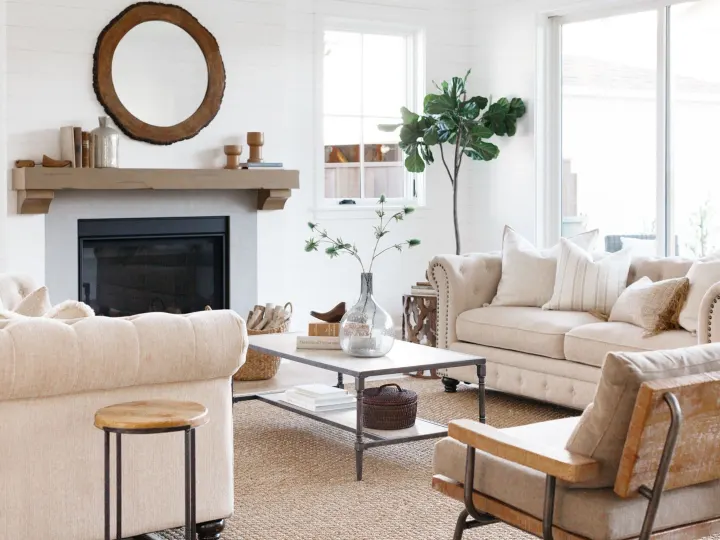
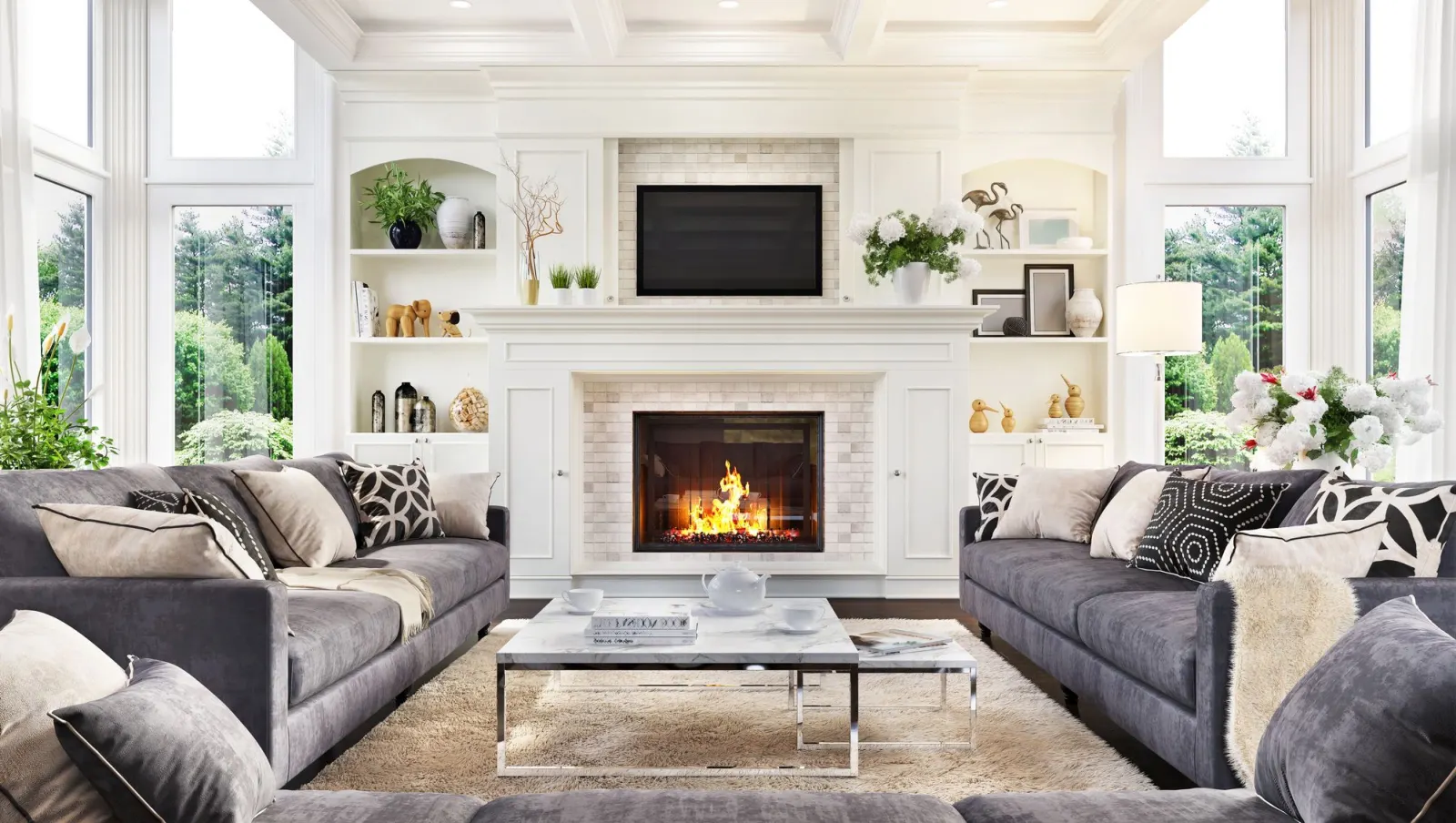
Home staging means preparing your home so buyers can picture themselves living there: clearing the clutter, fixing what's broken, lighting and arranging each room so it looks its size and its purpose is obvious. Most buyers see your home online before they ever walk in, so staging is about making the listing photos, and the first ten seconds through the door, work for you. Much of it costs little more than time.
This guide owns the "how it looks" part of selling. For the full sequence, see the home selling process, step by step; for the number on the sign, see how to price your home.
Start with the basics
Do these before anything else. They're cheap, and they show in every photo.
- Declutter. Pack away at least half of what's on counters, shelves and closet floors. Buyers open closets and cupboards, and full ones say "not enough storage."
- Depersonalize. Family photos, kids' art and collections make it your home. Buyers need to picture it as theirs.
- Deep clean. Windows, grout, baseboards, light switches, appliances, vents. Clean reads as "well cared for."
- Fix the small things. Burnt-out bulbs, dripping taps, scuffed walls, sticking doors, loose handles, a cracked outlet cover.
- Neutralize. Fresh paint in warm neutrals is one of the best-value pre-sale updates. Cover bold feature walls.
- Deal with smells. Pets, cooking and damp are the ones buyers notice. Clean the source; don't mask it with scent.
Room by room
| Room | Do | Avoid |
|---|---|---|
| Entry | Clear shoes and coats; add a mat, a light and a mirror | Piles of mail, a crowded coat rack |
| Living room | Float furniture into a conversation group; remove extra pieces | Furniture pushed against every wall; oversized sectionals |
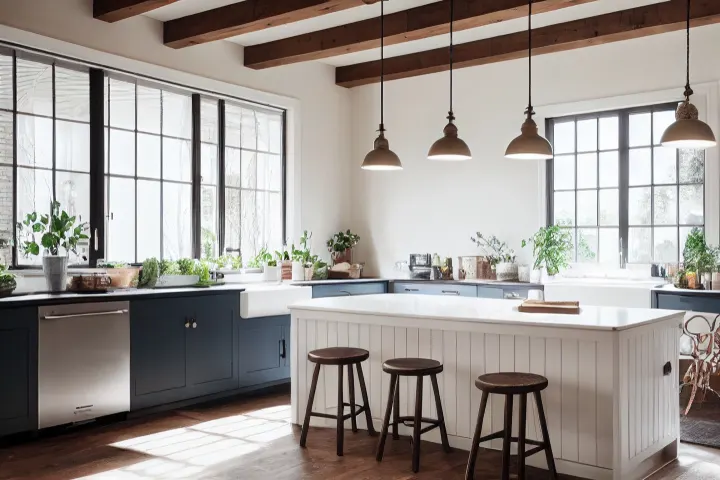
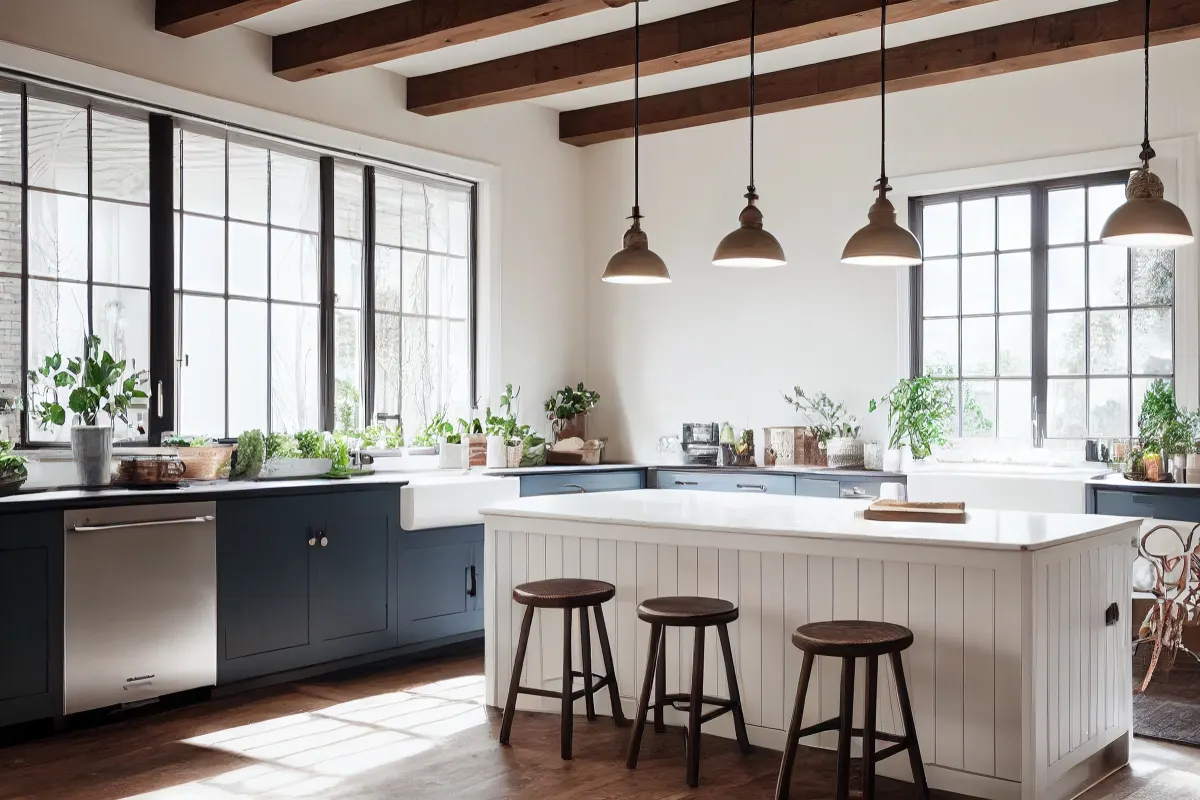
| Kitchen | Clear counters except one or two simple items; make sure everything works | Small appliances, magnets on the fridge, a full dish rack |
| Dining area | Set a simple table; show it seats four or six | Using it as an office or storage |
| Bedrooms | Crisp neutral bedding, matching lamps, clear nightstands | Exercise gear, laundry, anything under the bed |
| Bathrooms | Fresh white towels, new caulking, an empty counter | Toiletries on display, a tired shower curtain |
| Home office | Show it can be a bedroom or an office | Paper stacks and tangled cords |
| Basement | Bright, dry and with a clear purpose: rec room, office or gym | Storage overflow; a dehumidifier running in plain sight |
| Laundry and utility | Clean, lit, with the furnace and water heater visible | Hiding the mechanicals; inspectors will look anyway |

Light and layout
- Open every blind and curtain for photos and showings. Clean the windows.
- Use matching bulbs. Mixed warm and cool light looks odd in photos. Replace dead bulbs everywhere, including closets.
- Show each room's purpose. A room that's half office, half guest room reads as neither. Pick one.
- Leave walkways clear. Buyers should be able to move through without turning sideways.
Kitchens and bathrooms
These are the rooms buyers judge most closely. You don't need a renovation, but small fixes go a long way: new caulking and grout, a modern faucet, new cabinet hardware, a fresh light fixture. Before spending more, read home improvements that add value and kitchen renovation ideas for what tends to pay back.
Outside: curb appeal by season
The front of your home is the first photo and the first impression on the way in.
| Season | Focus |
|---|---|
| Spring | Rake, edge beds, fresh mulch, clean eavestroughs, power-wash walkways |
| Summer | Mow, water, trim hedges, add a couple of planters by the door |
| Fall | Clear leaves daily, keep gutters clear, warm porch lighting for early dusk |
| Winter | Clear and salt walkways and steps, keep the driveway open, add exterior lighting; shoot photos on a clear day |
All year: paint or replace a tired front door, update house numbers and the mailbox, and make sure the doorbell works. If you're listing in winter, ask your agent whether you have good summer photos of the garden to include.
Professional staging
A professional stager plans the look, edits what you own and, where needed, brings in rented furniture, art and accessories scaled to the space. It tends to earn its fee in:
- Vacant homes, where empty rooms look smaller and it's hard to judge scale.
- Awkward layouts, such as a narrow living room or a basement with no clear use.
- Higher-priced listings, where buyers expect a finished, magazine-ready look.
Types of staging
| Type | What you get | Best for |
|---|---|---|
| Consultation | A walk-through and a written to-do list; you do the work | Occupied homes, tight budgets |
| Partial staging | The stager edits your furniture and adds accessories | Occupied homes that need a lift |
| Full staging | Rented furniture and décor for the main rooms | Vacant homes, higher-priced listings |
Ask what's included, how long the rental runs, what it costs to extend if the home doesn't sell in that time, and who's responsible for damage to rented pieces. Find stagers and other help in the home stagers and real estate photographers directories.
Living there while it's listed
Staging an occupied home is easier than keeping it staged. Make a plan before your first showing:
- A showing kit: a laundry basket for last-minute clutter, wipes, a lint roller, a spare roll of paper towels.
- A 15-minute reset: beds made, counters cleared, blinds open, lights on, toilet seats down, garbage out.
- Pets: a plan for walks or daycare during showings, with bowls, beds and litter boxes put away.
- Security: lock away valuables, prescription medication, keys and personal documents. Check that doors and windows are locked after every showing.
- Kids: a box per child for toys that has to be full and closed before you leave.
Every showing should look like listing day. Our open house guide explains what buyers look at as they walk through.
Staging and tax
Staging costs aren't deductible against your regular income. If you're selling a rental or second property, the CRA counts fixing-up expenses, commissions, legal fees and advertising as outlays and expenses you can subtract from the sale proceeds when you calculate the capital gain, so keep the receipts. If the home was your principal residence for every year you owned it, the gain is exempt and staging has no tax effect, although you still report the sale. See the home selling process for that reporting step.
Before and after the photos
- Book the photographer once the home is fully ready, not before. Reshoots cost money and delay the listing.
- Check the photos for anything you missed: a towel on the floor, a phone charger, a reflection in a mirror.
- Do a pre-listing inspection if you're unsure about the roof, furnace or basement. Staging hides clutter, not defects, and a buyer's inspector will find them.
Then plan the costs side of the sale with our selling costs guide.
This article is general information. Ask your agent which staging steps make sense for your home and market.
Frequently asked questions
Is home staging worth the money?
Basic staging (decluttering, cleaning, repairs, paint and better lighting) is almost always worth it because it costs little and shows in every photo. Full professional staging is a bigger spend, and earns it most often in vacant homes, homes with awkward rooms, and higher-priced listings where buyers expect a finished look. Ask your agent how staged and unstaged homes have been selling in your area.
Should I stage an empty house?
Usually, yes. Empty rooms look smaller in photos and it's hard for buyers to judge scale. Staging the living room, kitchen eating area and main bedroom gives buyers a sense of how the space works, even if the rest stays empty.
How much does professional staging cost?
It varies widely with the size of the home, how many rooms are staged, whether the stager supplies furniture, and how long the listing runs. Get two or three written quotes that spell out the rooms covered, the rental period, and what happens if the home takes longer to sell.
Can I stage a home I'm still living in?
Yes, and most sellers do. A stager can work mainly with your own furniture, editing and rearranging it and adding a few accessories. The hard part is keeping it that way, so build a quick daily reset routine before you list.
Is staging tax-deductible?
Not against your regular income. For a rental or other property where you'd report a capital gain, the CRA lets you subtract fixing-up expenses and other selling costs from the proceeds. If the home is your principal residence for every year you owned it, the gain is exempt anyway, so staging has no tax effect.
What should I remove before showings?
Valuables, jewellery, prescription medication, personal documents and mail, keys, and anything with your family's names or schedules on it. Lock away or take with you anything you'd hate to lose, and check that doors and windows are locked after each showing.