Key takeaways
- Cosmetic work (paint, floors, fixtures) is a bargain; foundations, water, wiring, asbestos and oil tanks are where budgets break.
- Add a 15% to 20% contingency to real contractor quotes, more for older homes, and keep it in cash.
- CMHC's purchase-plus-improvements insurance lends on the lesser of the as-improved value or the price plus the work, under $1.5 million.
- Work up to 10% of the as-improved value is released in one advance after completion; larger jobs are paid in stages.
- Sell a home you've owned less than 365 days and the profit is generally taxed as business income under the federal flipping rule.
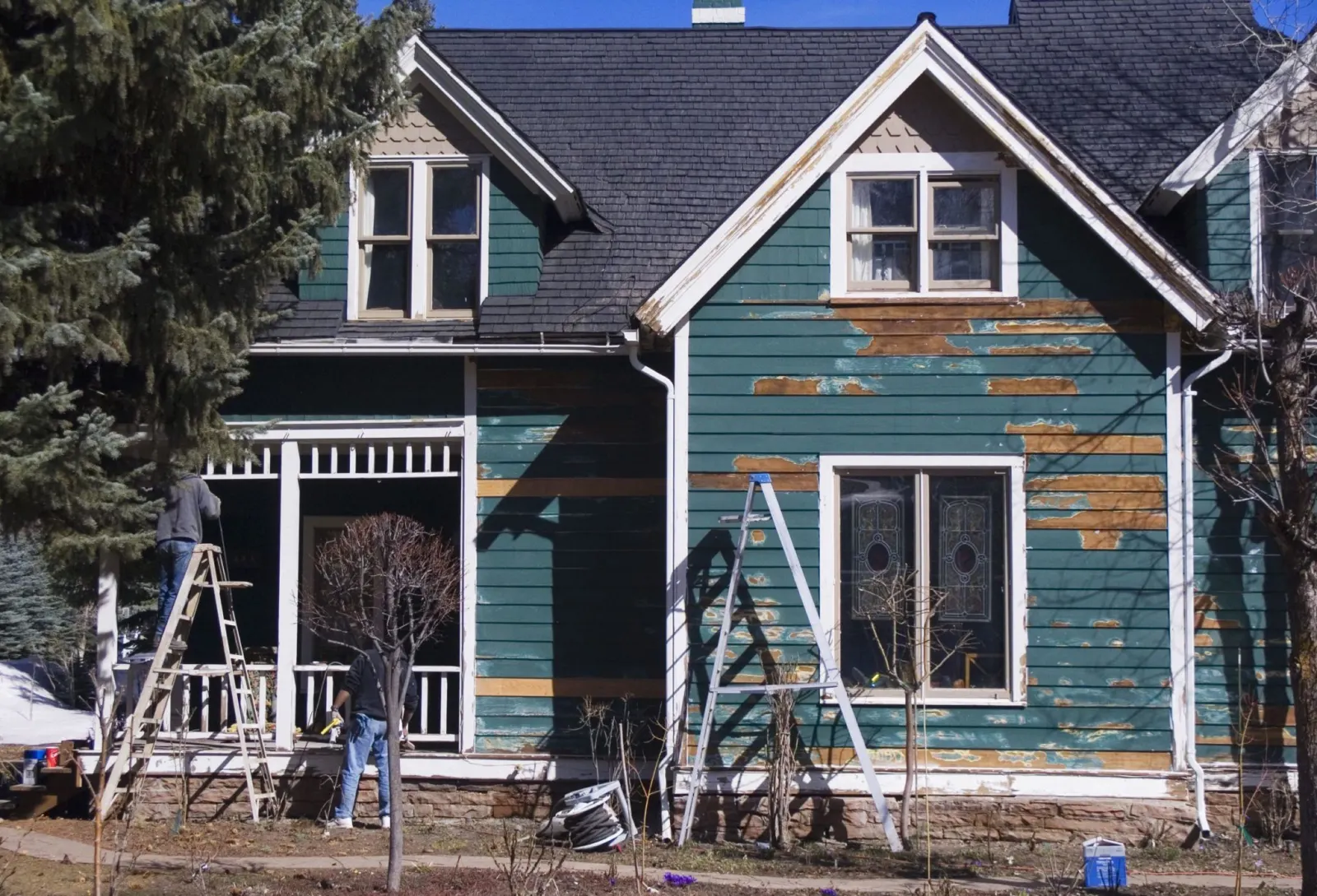
A fixer-upper is worth it when the work is mostly cosmetic, you've priced it with real quotes and a contingency, and you have cash and time to carry the project. It's a money pit when the problems are structural, wet or hidden, and the budget assumes nothing will go wrong. The difference comes down to knowing which kind of work you're taking on before you firm up.
Cosmetic vs structural: what kind of work is it?
| Type of work | Examples | Risk to your budget |
|---|---|---|
| Cosmetic | Paint, flooring, light fixtures, hardware, landscaping | Low: predictable, often DIY-friendly |
| Updates | Kitchens, bathrooms, windows, doors | Medium: costs swing with finishes and what's found behind walls |
| Systems | Roof, furnace, water heater, electrical panel, plumbing | Medium to high: necessary, not glamorous, sometimes urgent |
| Structural and hazardous | Foundation movement, water in the basement, knob-and-tube wiring, galvanized or lead pipes, asbestos or vermiculite, buried oil tanks, mould | High: costly, may affect financing and insurance, and often reveal more work |
The best fixer-uppers have dated finishes on a sound structure. The worst look fine and hide water. When a listing says "needs TLC," find out which row of the table it means.
What inspections do you need?
- A general home inspection, with you there. It tells you which problems are on the surface. See the home inspections guide for what it covers and what it doesn't.
- Specialists where the inspector points: a structural engineer for cracks or sagging, a licensed electrician for older wiring, a plumber or sewer camera inspection for older drains, and testing for asbestos where materials look suspect.
- A radon test once you own the home, especially before you finish a basement. Health Canada's guideline is 200 Bq/m³, and a valid test takes at least 91 days, ideally in the heating season.
- Contractor walk-throughs. If your timeline allows, bring a contractor to a second showing or during your inspection period to price the work.
How do you budget for a fixer-upper?
- Get real quotes, in writing, for the specific scope. Online cost estimates are a starting point at best.
- Add a contingency of 15% to 20%, more for older homes and anything involving structure or water. Surprises are normal.
- Count the soft costs: permits, design or engineering drawings, disposal bins, and rent or storage if you can't live there.
- Sequence the work. Fix water, structure and safety first, then systems, then finishes. Paying for a new kitchen before you fix the foundation is how budgets fail twice.
- Keep cash outside the mortgage. Most renovation financing pays out after the work, not before.
How do you finance the renovation?
Purchase plus improvements
A purchase-plus-improvements mortgage adds the renovation cost to your mortgage at the time you buy. With CMHC-insured financing, the lending value is the lesser of the home's as-improved value or its as-is value plus the cost of the improvements. For owner-occupied homes, the price or as-improved value must be below $1.5 million, and you can borrow up to 95% of the lending value on one or two units (90% on three or four).
How the money flows matters as much as how much you borrow:
- If the work costs 10% or less of the as-improved value, the lender advances it in a single payment once the work is done.
- If it costs more than 10%, it's paid in progress advances as stages are completed and checked.
- Lenders want quotes, plans or permits up front, and they'll assess whether you can cover cost overruns.
Other ways to pay for the work
- Savings or a line of credit for smaller jobs, especially if you want to start right away.
- A refinance or a HELOC once you've built equity. Neither helps on day one. See renovation financing for the options.
- Energy rebates. Federal, provincial and utility programs come and go. If the purchase is CMHC-insured, CMHC's Eco Improvement refunds 25% of the premium when you complete at least $20,000 of qualifying energy upgrades after you buy. Check what's current before you start.
Permits, timelines and living through it
Structural changes, new plumbing or electrical, additions and secondary suites generally need a building permit; the rules are set by your municipality. Permitted work protects you with insurers and future buyers, and an inspector checks it.
Plan your timeline around permits and trades, not optimism. Decide early whether you'll live in the house during the work. Living without a kitchen for two months is manageable for some households and a deal-breaker for others. Order long-lead items such as windows and cabinets early.

Will it pay off?
Not every renovation adds as much value as it costs. Fixing real problems (roof, water, wiring) protects value but rarely adds much on its own; buyers expect them. Kitchens, bathrooms and adding usable space tend to add the most. See home improvements that add value and kitchen renovation ideas before you set the scope.
A useful test: what do finished homes on the same street sell for? If the purchase price, renovation and contingency together come close to that figure, the margin for error is thin. A home appraisal can estimate the as-improved value before you start.
The flipping rule: a tax trap for quick resales
If you sell a home you've owned for less than 365 consecutive days, the federal residential property flipping rule generally treats the profit as fully taxable business income, not a capital gain, and the principal residence exemption doesn't apply. Exceptions cover certain life events, such as a death in the family, a related person joining your household, a separation, a serious illness or disability, a move for work or school, or an involuntary job loss. If your plan is to renovate and sell quickly, talk to an accountant first.
This article is general information, not financial or tax advice.
Frequently asked questions
How much does it cost to renovate a fixer-upper?
It depends entirely on the house and the scope; there's no reliable per-square-foot rule. Get written quotes from at least two contractors for the specific work, then add a contingency of 15% to 20% or more. Remember permits, design fees, and rent or storage if you can't live there during the work.
Can you include renovation costs in a mortgage?
Yes. A purchase-plus-improvements mortgage adds the cost of the work to the mortgage, based on the home's value after the work. Lenders usually release the renovation money after the work is done and inspected, so you need to pay contractors in the meantime, or arrange staged draws for larger jobs.
Will a lender finance a house that needs major repairs?
Sometimes not, or only with conditions. A house with active water leaks, a failing roof, an unsafe electrical system or an underground oil tank may be hard to finance or insure until it's fixed. Talk to a mortgage broker before you offer, and keep a financing condition.
Is it better to buy a fixer-upper or a move-in-ready home?
A fixer-upper is usually better if you have cash beyond the down payment, time, reliable contractors and a tolerance for disruption. A move-in-ready home costs more upfront but has fewer unknowns. Compare the total cost of each, including the renovation, contingency and the time you'll live with the work.
Do I need permits for renovations?
Structural changes, new plumbing and electrical work, additions, new windows in new openings and secondary suites typically need permits; rules differ by municipality. Unpermitted work can cause problems with insurance, future buyers and safety. Check with your city's building department before you start.
Can I deduct renovation costs from my taxes?
Not on your own home, as a rule. Renovations to your principal residence aren't deductible, though some federal, provincial or utility programs offer rebates for energy upgrades, and CMHC refunds part of the insurance premium for qualifying energy renovations. Renovating a rental is different; see buying an investment property.
Sources
- CMHC — Improvement mortgage loan insurance (purchase plus improvements)
- CMHC — Eco Improvement energy renovation refund
- CMHC — Frequently asked questions about mortgage loan insurance
- CRA — Principal residence and other real estate (residential property flipping rule)
- CRA — Completing Schedule 3 (flipping rule exceptions)
- Health Canada — Guide for radon measurements in homes