Key takeaways
- A general inspection is visual and non-invasive: it won't open walls, move furniture or test every system, and the report says what wasn't accessible.
- Add a sewer camera for older homes with mature trees, a WETT inspection for wood stoves, and well and septic checks for rural properties.
- Health Canada's radon guideline is 200 Bq/m³; a valid test runs at least 91 days, ideally in the heating season.
- Home inspectors must be licensed in British Columbia and Alberta; Ontario's 2017 licensing law is not in force, so check credentials and insurance yourself.
- Sort findings into safety, big-ticket and maintenance, then proceed, renegotiate or walk away while your inspection condition is open.
A home inspection is a few hundred dollars spent to protect what may be the biggest purchase of your life. A qualified inspector spends a few hours checking the structure, roof, mechanical systems, electrical and plumbing, then reports what's wrong, what's wearing out and what needs a specialist. It won't find everything, since it's visual and non-invasive, but it finds most of what matters and gives you the facts to proceed, renegotiate or walk away.
What does a general home inspection cover?
A general inspection is a visual, non-invasive review of the parts of the house the inspector can safely reach.
| Area | What the inspector looks at |
|---|---|
| Structure | Foundation, framing, signs of settlement or movement |
| Exterior | Roof covering, flashing, gutters, siding, windows, doors, grading and drainage |
| Interior | Walls, ceilings, floors, stairs, railings, signs of water |
| Heating and cooling | Furnace or boiler, air conditioner or heat pump, ventilation, age and visible condition |
| Electrical | Panel and breakers, wiring type, outlets, grounding, GFCI protection in wet areas |
| Plumbing | Supply and drain lines, water heater, fixtures, visible leaks, pipe material |
| Attic and insulation | Insulation levels, ventilation, signs of leaks or condensation |
| Basement | Moisture, efflorescence, cracks, sump pump, past repairs |
What a general inspection doesn't do
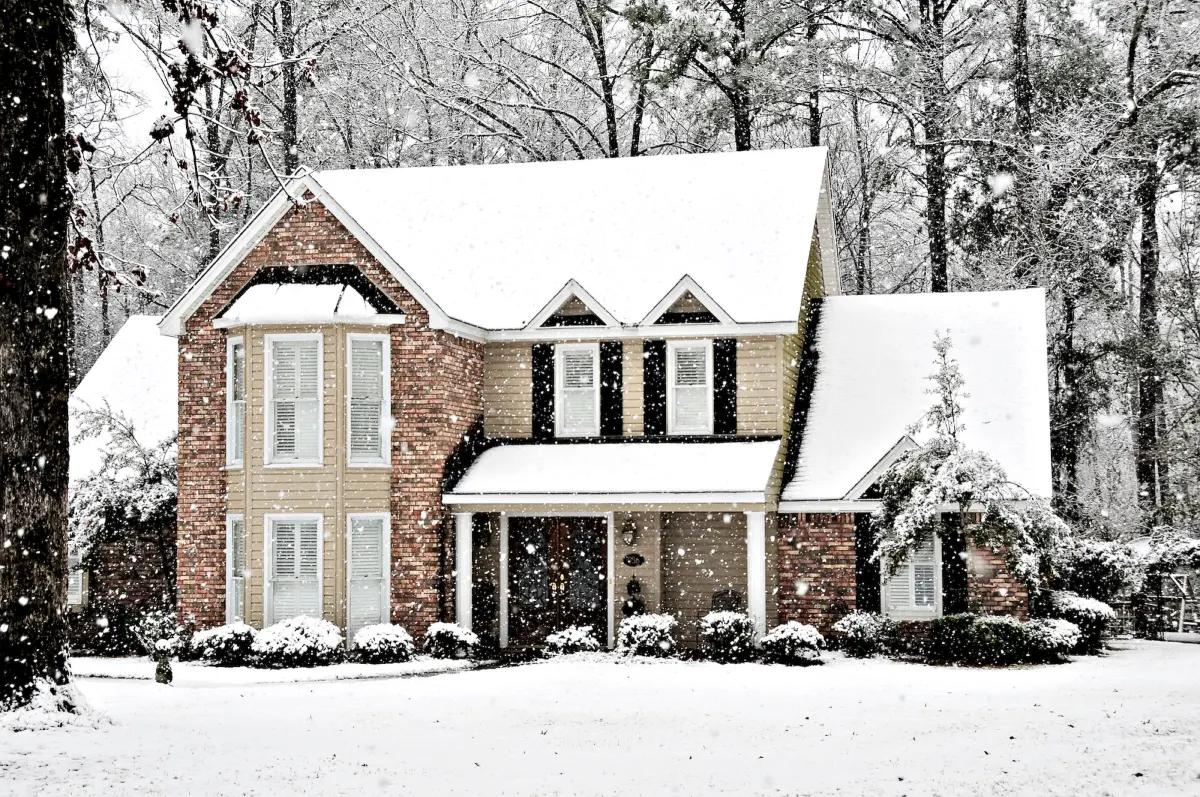
Inspectors don't open walls, lift carpets, move furniture, take apart equipment or test for hazardous materials. Snow on a roof, stored boxes and a finished basement all limit what can be seen. The report lists what wasn't accessible: read that section as carefully as the findings, because it tells you where the unknowns are.
Which specialist inspections are worth it?
| Inspection | When it's worth it |
|---|---|
| Sewer camera | Older homes, mature trees near the line, past backups |
| WETT | Wood stoves, fireplaces or wood-burning inserts; many insurers want a report from a WETT-certified inspector |
| Radon test | Any home with a basement or ground-floor living space; start it once you own the home |
| Well water | Rural properties: flow rate, plus bacteria (E. coli and total coliforms) |
| Septic | Rural properties: inspection and pumping, with records |
| Structural engineer | Significant cracks, sagging, bowed walls or past underpinning |
| Electrician | Knob-and-tube wiring, older panels, signs of amateur work |
| Asbestos or mould testing | When the inspector flags suspect materials, such as vermiculite insulation or textured ceilings in older homes |
| Oil tank search | Older homes once heated by oil, especially if a tank may be buried |
Rural buyers have the longest list; the vacation property guide covers wells, septic and wood stoves in detail.
Radon
Radon is a colourless, odourless radioactive gas from the ground that can build up indoors. Health Canada's guideline is 200 Bq/m³, measured as the average annual level. A short test can't confirm that: a valid test runs at least 91 days, ideally during the heating season. If the result is above the guideline, Health Canada recommends reducing it, usually with a radon mitigation system installed by a certified professional.
Because a long-term test doesn't fit a typical conditional period, buyers usually test after closing. Budget for mitigation if the area is known for high levels.
Pre-offer, pre-listing and new-build inspections
- Pre-listing: sellers inspect before listing to fix or disclose issues on their own terms. See pre-listing inspections.
- Pre-offer: in competitive markets, buyers inspect before offering, so they can go firm with fewer unknowns. You pay for the inspection whether or not you win.
- Pre-purchase: the standard inspection, done during your conditional period. See pre-purchase inspections.
- New builds: in Ontario, the builder must walk you through the home in a pre-delivery inspection (PDI) before you take possession and record issues on a form that later warranty claims rely on. You can bring someone with expertise. Many owners book a second inspection before the one-year warranty ends. The new build vs resale guide covers the warranty windows.
How do you choose a home inspector?
Licensing differs by province
- British Columbia has licensed home inspectors since 2009, through Consumer Protection BC. Inspectors must complete approved training and exams, and you can ask to see their licence.
- Alberta licenses both individual inspectors and inspection businesses through the provincial government. Businesses must carry a bond or other security and errors and omissions insurance.
- Ontario passed a law in 2017 to license home inspectors, but it has not been brought into force, so inspectors aren't provincially licensed. Check training, membership in a professional association, and insurance yourself.
- Other provinces have their own rules; many rely on voluntary certification.
Questions to ask
- What training and designations do you hold, and are you licensed (where your province requires it)?
- Do you carry errors and omissions insurance?
- Can I see a sample report?
- How long will the inspection take, and can I attend?
- What's not included, and what do the add-ons cost?
- Have you inspected homes of this age and type?
Choose an inspector who works for you, not one whose business depends on keeping deals together. Our directory lists home inspectors, and the home inspections page explains the service.
How do you use the inspection report?
Attend the inspection. You'll learn more in two hours than from 40 pages. Then sort the findings into three groups:
- Safety issues: missing GFCI protection, exposed wiring, carbon monoxide risks, unsafe railings.
- Big-ticket items: roof, foundation, water in the basement, heating, electrical service, drains.
- Routine maintenance: caulking, downspout extensions, filters, minor repairs.
Get quotes for anything in the first two groups before your condition expires. Then decide: proceed, renegotiate or walk away, if your inspection condition allows.
Sellers may offer to fix items instead of lowering the price. A credit or price reduction gives you control over who does the work and how well. If you go firm, your real estate lawyer can confirm the amendment is properly documented.
Every house has a list. The question is what's on it.
This article is general information, not professional advice.
Frequently asked questions
How much does a home inspection cost in Canada?
Usually a few hundred dollars for a typical house, more for large or older homes, multi-unit buildings and add-ons such as a sewer camera, WETT inspection or water testing. Ask for an all-in quote. Compared with the cost of one missed problem, it's among the cheapest parts of buying.
How long does a home inspection take?
A typical house takes a few hours on site, longer for larger or older homes. Plan to stay for all of it, then ask the inspector to walk you through the main findings. The written report usually follows within a day or two.
Can a home fail an inspection?
No. An inspection isn't a pass or fail test; it's a report on condition. Every house has findings, including new ones. What matters is whether the issues are safety hazards or expensive, and whether the price reflects them.
Should I waive the home inspection to win a bidding war?
It's risky. If you skip the condition, consider a pre-offer inspection so you can go firm knowing what you're buying, or ask whether the seller has a recent pre-listing report you can rely on (and check who it was prepared for). See bidding wars: what buyers should know.
Does a condo need a home inspection?
Yes, though it's smaller in scope. The inspector checks the unit's electrical, plumbing, heating and cooling, windows, appliances and signs of leaks. The building itself is assessed through the status certificate and reserve fund study, so read both; see the condo living guide.
Who pays for the home inspection, the buyer or the seller?
The buyer normally pays for the inspection they rely on, and the inspector works for them. A seller may pay for a pre-listing inspection and share it, but the report was prepared for the seller. Many buyers still get their own.
What if the inspector misses something?
Read the inspection contract before you sign it: it sets out the scope and often limits liability. British Columbia and Alberta license inspectors and enforce standards, and Alberta requires inspection businesses to carry errors and omissions insurance. Elsewhere, check that your inspector carries that insurance before you book.
Sources
- Health Canada — Guide for radon measurements in homes
- Health Canada — Reduce radon in your home
- Health Canada — Be Well Aware, test your well water
- Government of British Columbia — Home inspectors
- Consumer Protection BC — Home inspections
- Government of Alberta — Home inspection business licence
- Government of Alberta — Hiring a home inspector
- Home Inspection Act, 2017 (Ontario)
- Tarion — The pre-delivery inspection
- WETT Inc. — What is a WETT inspection?