Key takeaways
- The core trade-off is space vs location: more home per dollar further out, or less space closer to work and amenities.
- Count the full monthly cost: an extra car can cost more than the mortgage savings on a cheaper suburban home.
- An extra 45 minutes of commuting a day adds up to about 170 hours a year over 230 workdays.
- Middle-ground areas near rapid transit or a walkable main street often give the best of both.
- In Ottawa, an adult OC Transpo monthly pass is $138.50 in 2026; compare it with the cost of a second car.
The choice between city and suburbs is a trade-off between space and location: more home for your money further out, or a smaller home closer to work, transit and amenities. The right answer depends on where you go every day, how you get there, and what the full monthly cost looks like once you count cars and commuting time, not just the mortgage.
Here's how to compare the two with real numbers instead of assumptions.
The trade-offs at a glance
| Central city | Suburbs | |
|---|---|---|
| Space | Smaller homes and lots | More space for the money |
| Commute | Shorter; walk, bike or transit | Longer; more often by car |
| Car costs | Often one car or none | Often two cars |
| Amenities | Walkable shops, restaurants, culture | Plazas and malls, usually driven to |
| Schools and parks | Varies a lot by neighbourhood | Often newer schools and big parks |
| Housing types | Condos, townhomes, older houses | Detached and semi-detached, new builds |
| Noise and activity | Livelier, louder at night | Quieter, more residential |
| Maintenance | Older homes may need more work | Newer homes, but more house to heat and maintain |
Count the full cost, not just the price
A cheaper home further out can cost more overall once you add:
- Car ownership: a second vehicle, insurance, fuel, parking and maintenance.
- Time: an extra 45 minutes a day over 230 workdays is about 170 hours a year, more than four 40-hour work weeks.
- Home size costs: a bigger home means higher heating, maintenance and property taxes.
- Transit: if one of you can take transit instead of driving, compare a pass with the cost of a car. In Ottawa, an adult OC Transpo monthly pass is $138.50 in 2026.
Questions to ask yourself
- Where do you go most often? Map work, school, family, the gym and the grocery store.
- How many days a week do you commute, and is that likely to change? Hybrid schedules shift.
- Do you want to walk to things, or are you happy driving?
- Do you need a yard, a workshop, a home office or room for family to visit?
- Where do you see yourself in five to ten years? Children, aging parents or a career change can flip the answer.
- What can you maintain? A large house and yard take time and money every season.
Look at the middle ground
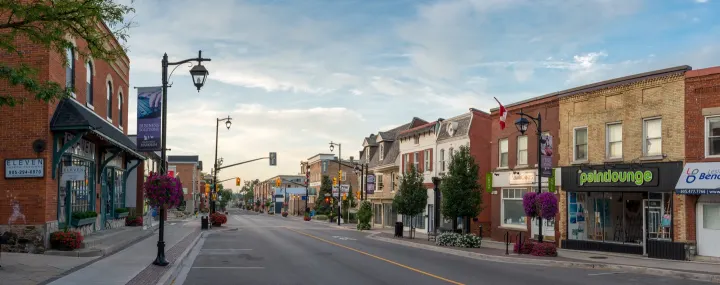
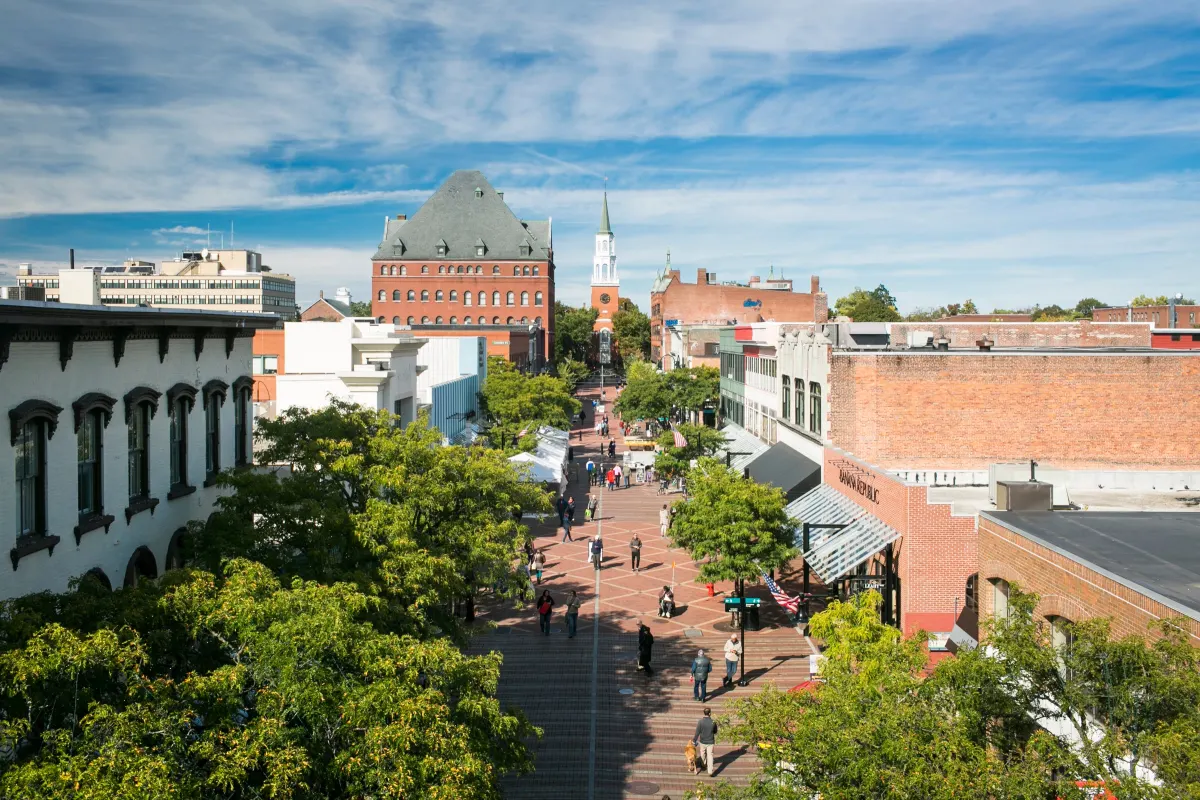
Many cities have neighbourhoods that offer a bit of both: inner suburbs near rapid transit, or older town centres with walkable main streets. These are often the best value for people who want a house and a reasonable commute.
Ottawa's Official Plan builds this into the map. It divides the city into six concentric policy areas, or transects, from the Downtown Core and Inner Urban areas out to the Outer Urban, Greenbelt, Suburban and Rural areas. It also designates Hubs around rapid transit stations and frequent transit stops, generally extending up to a 600-metre radius or 800 metres of walking distance, whichever is greater, where the City plans for more homes, more mixed uses and better transit. Its goal is "15-minute neighbourhoods," where daily needs are a short walk, bike or transit ride away.
For buyers, that means a suburban home near a station or a planned Hub can offer suburban space with better access over time. See Ottawa neighbourhoods near the O-Train and Ottawa neighbourhoods on the move.
Ottawa example: city vs suburbs, side by side
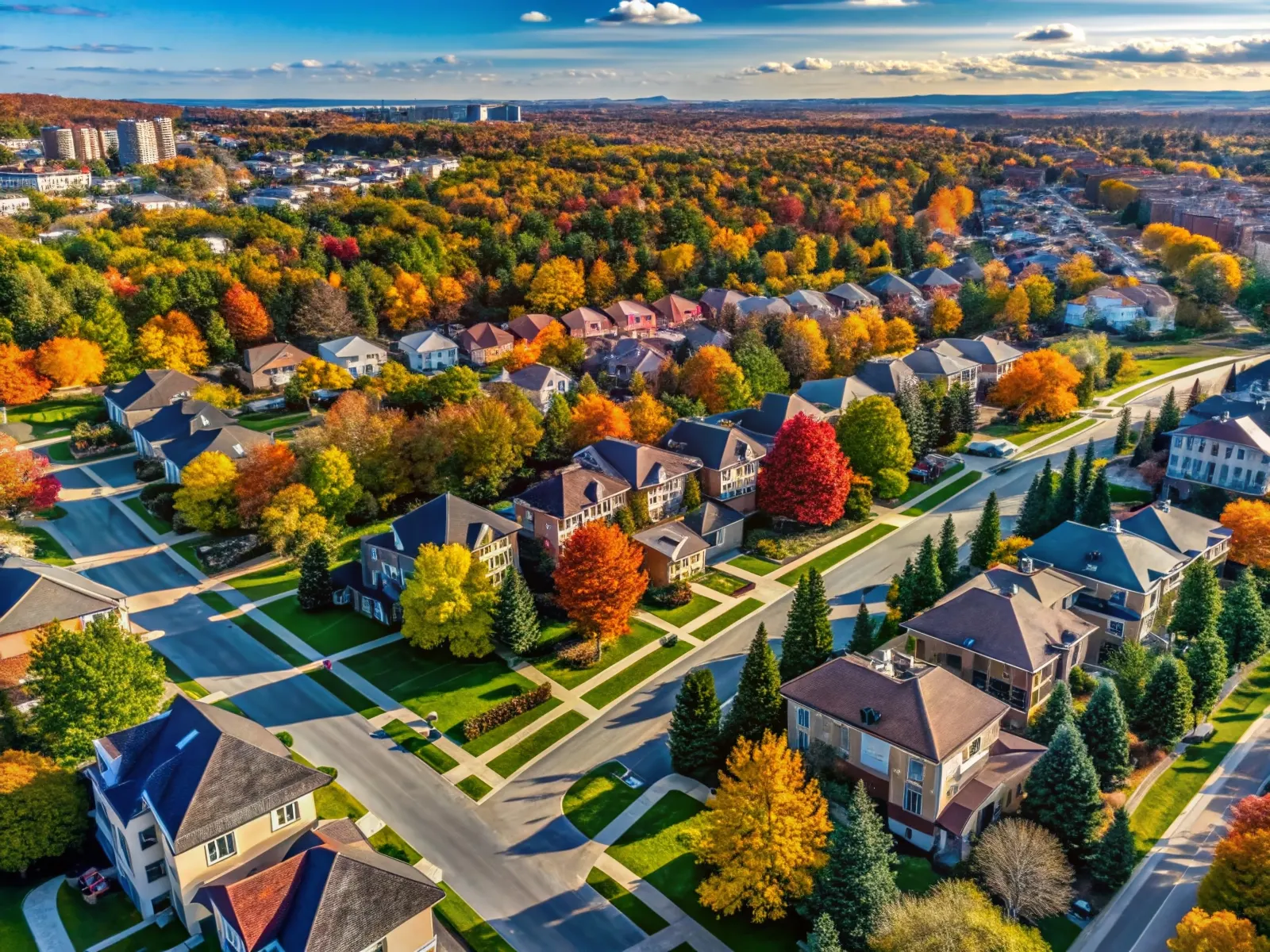
Ottawa is a good test case. Its central neighbourhoods are compact and walkable, while suburbs such as Kanata, Barrhaven and Orléans sit beyond the Greenbelt with more space and newer homes. Compare the urban core of Ottawa Centre with the suburban areas of Kanata–Carleton and Orléans: see the current figures below.
And a middle-ground comparison: the inner-suburban areas of Ottawa West–Nepean and Ottawa South, each with O-Train stations open or on the way, against the more suburban Nepean area.
Look at the median asking price by home type, not the overall median: the city areas list more condos, which pulls their overall figure down. You can also browse homes for sale across Ottawa.
Families: schools, parks and space
Suburbs often have newer schools and larger parks, and many families choose them for yards and quieter streets. City neighbourhoods may have older schools with established programs, and parks, libraries and community centres within walking distance. In both, school boundaries depend on the specific address, so check them before you buy. For Ottawa options, see family-friendly Ottawa neighbourhoods.
New build or resale?
Suburbs offer more new construction; the city has more older homes and condos. Each comes with different costs and risks, from HST and builder warranties to renovation budgets. See new build vs resale.
Make the decision with data
Before you decide, compare specific neighbourhoods on what matters to you: rush-hour commute, transit frequency, school options, parks and amenities, and recent prices for the home type you want. See how to find your perfect neighbourhood, and check what you can afford with a mortgage pre-approval. A local real estate agent can show you both options in a weekend.
Frequently asked questions
Is it cheaper to live in the suburbs?
The home price per square foot is usually lower, but total living costs may not be. A second car, longer commutes, and higher heating and maintenance costs for a larger home can close the gap. Run both scenarios month by month before you decide.
Do homes in the city hold their value better than suburban homes?
There's no rule that holds everywhere. Values depend on local supply, demand and what's planned nearby, such as new transit. Compare price trends for the specific neighbourhoods and home types you're considering, and buy for how you'll live there today.
What are inner suburbs?
Inner suburbs are older neighbourhoods built mostly after the Second World War, between the historic core and newer outer suburbs. They often have detached homes on larger lots with shorter commutes than new subdivisions, and in many cities they're near rapid transit.
Are suburbs better for families?
Many families choose them for space, yards and newer schools and parks, but plenty raise children downtown too. Check the specific schools that serve an address, the walk to parks, and how your children would get to activities as they grow.
Should I buy in the suburbs if I work from home?
Working from home weakens the commuting argument for the city, and a spare room for an office matters more. But hybrid schedules change, and jobs change. Make sure the commute would still be livable if you had to go in three or more days a week.