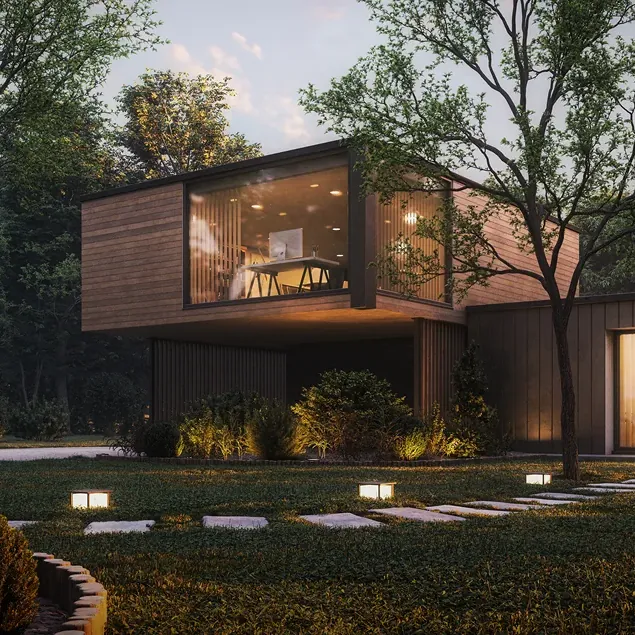
How lenders classify the property
| Type | What it means | Typical down payment |
|---|---|---|
| Type A | Winterized, permanent foundation, year-round road access, potable water | From 5% (insured) |
| Type B | Seasonal access or services, may lack a permanent foundation or central heat | From 10%, often 20% |
| Remote or unusual | Water access only, leased land, off-grid | 20% to 35% or more, few lenders |
Three ways to pay for it
- A mortgage on the vacation property itself: best when it is a year-round home with good access.
- A HELOC or refinance on your main home: often simpler and cheaper for seasonal cottages, because the lender is lending against a standard house.
- A combination: equity from your main home as the down payment, with a mortgage on the cottage for the rest.
If you plan to rent it out
An insured second-home mortgage is for your own or your family's use. If the main purpose is rental income, lenders treat it as an investment property: at least 20% down and rental rates. Check local short-term rental bylaws before you count on the income.
Costs beyond the mortgage
- Insurance: seasonal and waterfront properties cost more to insure, and some need a separate policy for vacancy.
- Septic, well and road fees: ask for inspection reports and the road association's dues.
- Capital gains tax: a family can name only one principal residence for each year, so a gain on one of the two homes is taxable.